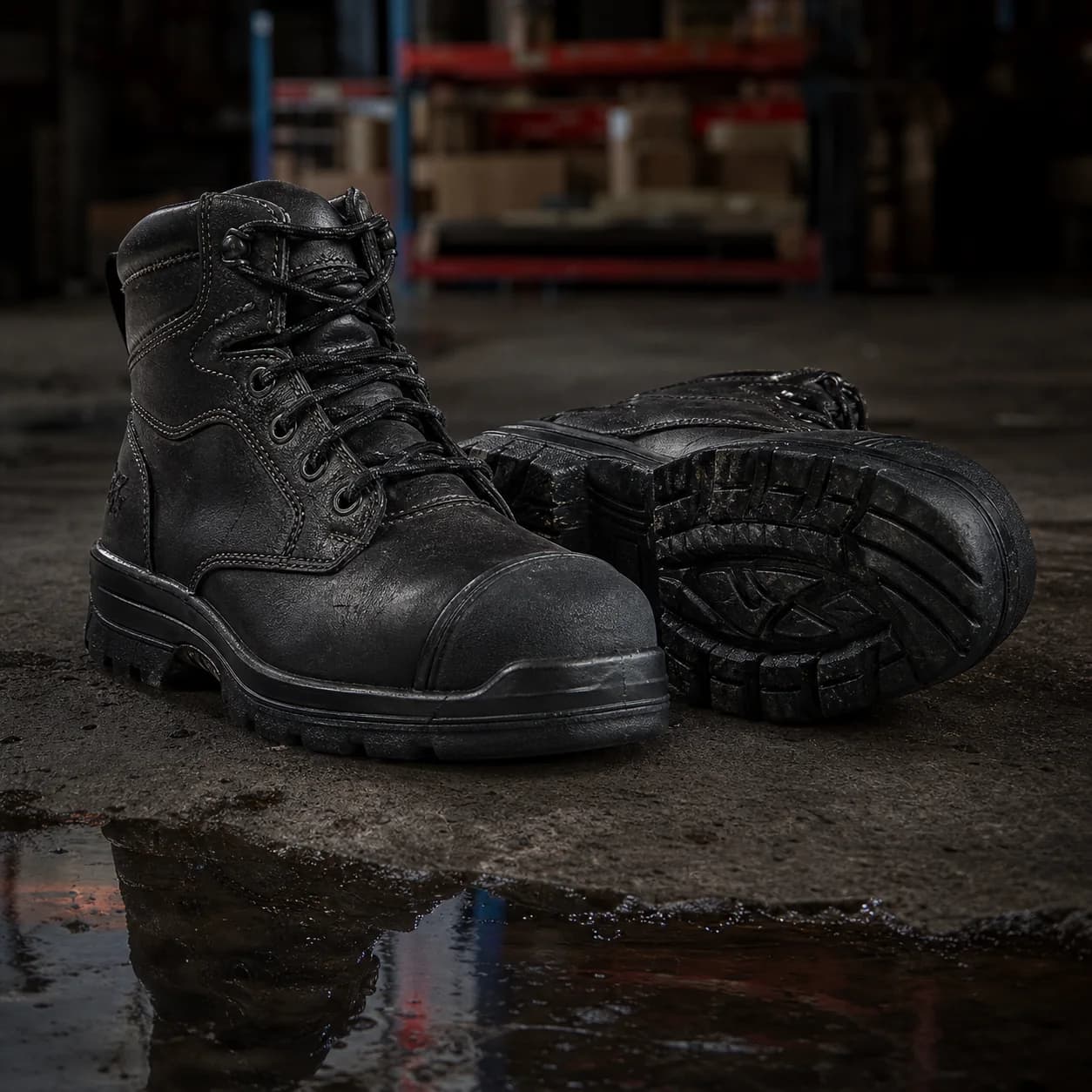
Boot programs can get complicated fast. Two styles may look similar, but one is built for wet concrete, another for electrical hazards, another for impact protection, and another for long shifts on rough ground.
Start with the job, not the brand. What does the worker stand on? What can fall, roll, splash, cut, puncture, or energize? What weather does the boot need to handle? Once those answers are clear, the approved list gets easier to manage.
Common buying questions
- Is safety toe required, and should the list include steel, composite, or both?
- Does the role need EH-rated footwear or another electrical-related feature?
- Are slip resistance, waterproofing, insulation, met guards, or puncture resistance required?
- Do workers need more than one approved option for fit and comfort?
Keep the list usable
A boot program does not need endless choices to work well. It needs enough approved options to cover the job conditions and enough structure that workers do not have to guess.
AFR can help organize boot options alongside FR, PPE, and corporate apparel so the whole workwear program is managed from one reliable source.